tesphero.com

Author name: tesphero@gmail.com

nidish-enterprises, Tesphero-blogs

Why Monsoon Water Is More Dangerous Than You Think: Why Every Commercial Space in Indore Needs a Commercial RO System

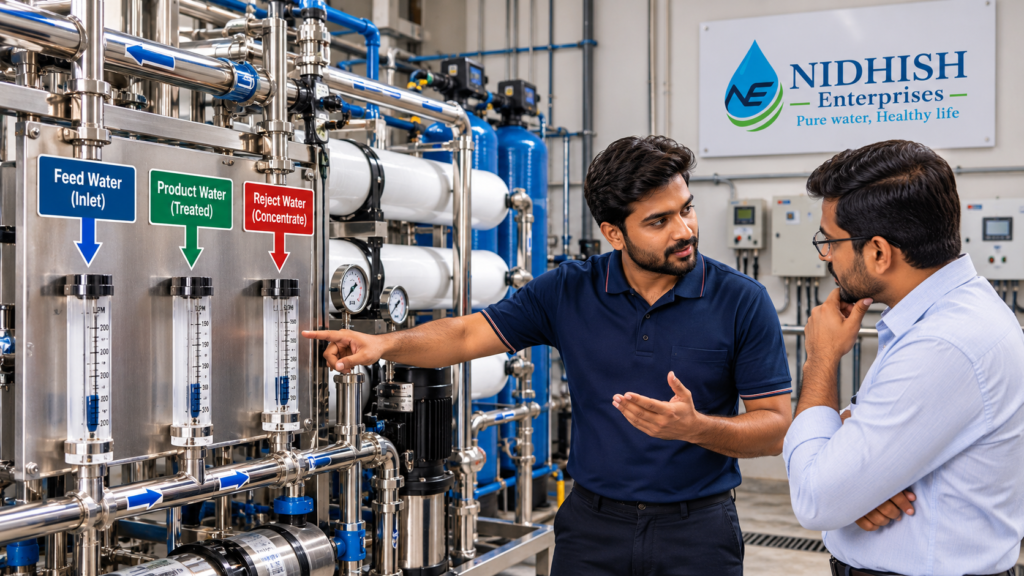
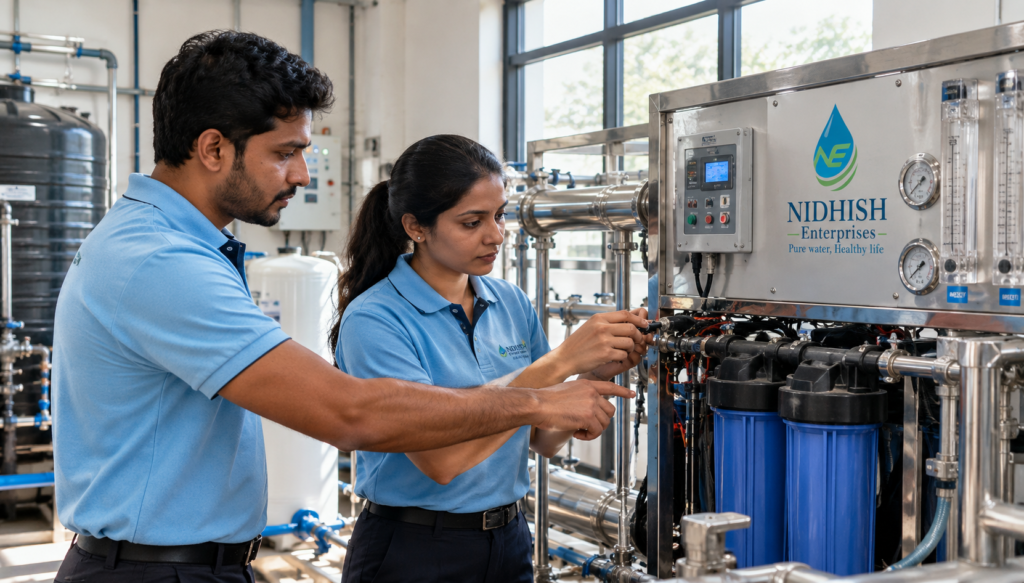
/commercial-ro-system-indore-monsoon-water-safety Introduction The monsoon season transforms Indore into one of the most pleasant cities in Central India. Cooler temperatures, fresh greenery, and much-needed rainfall bring relief after months of intense summer heat. But while the weather improves, drinking water quality often becomes less predictable. Heavy rainfall can disturb both municipal and groundwater sources. Overflowing drains, ageing pipelines, construction activity, and surface runoff may introduce mud, suspended particles, and harmful microorganisms into the water supply. In many cases, water may look clear but still contain contaminants that aren’t visible to the naked eye. For commercial establishments, this isn’t just a maintenance issue—it’s a workplace health concern. Offices, factories, hospitals, restaurants, hotels, schools, and retail businesses serve drinking water to employees, customers, and visitors every day. If that water isn’t properly purified, it can affect employee well-being, business operations, and customer confidence. This is why many businesses now consider a Commercial RO System an essential part of their infrastructure rather than an optional upgrade. It helps provide consistently safe drinking water, even when water quality changes during the rainy season. In this guide, we’ll explain why monsoon water becomes more challenging in Indore, why ordinary water filters may not be enough, and how a Commercial RO System can help protect your workplace. Table of Contents Why Water Quality Changes During the Monsoon in Indore Every monsoon brings a noticeable change in water quality across many parts of Indore. As rainwater flows through roads, open areas, and drainage systems, it carries mud, dust, organic waste, and other impurities into nearby water sources. These changes can affect both municipal water and groundwater used by commercial buildings. In some areas, ageing pipelines, overflowing drains, or poorly maintained storage tanks may further increase the risk of contamination. Groundwater quality can also fluctuate during the rainy season, resulting in changes in TDS (Total Dissolved Solids), taste, and clarity. Commercial hubs such as Vijay Nagar, Scheme No. 54, Palasia, Bhanwarkuan, Super Corridor, and nearby industrial zones rely heavily on a consistent supply of clean drinking water. During the monsoon, businesses in these areas should pay extra attention to water quality, especially if they use borewell water or overhead storage tanks. Some of the most common monsoon water quality concerns include: These issues may not always be visible, which is why proper water purification becomes even more important during the rainy season. This is why relying on appearance alone is never enough when assessing drinking water quality. How Poor Water Quality Can Affect Businesses in Indore For businesses, clean drinking water is more than just a basic facility—it’s an important part of employee well-being, customer satisfaction, and daily operations. During the monsoon, contaminated water can create problems that extend beyond health concerns. Frequent employee sick leaves, customer complaints, and disruptions in daily work can all impact productivity and business reputation. Whether you run a corporate office, restaurant, hospital, manufacturing unit, or educational institution, providing safe drinking water should be a priority throughout the rainy season. Common business challenges caused by poor water quality include: For businesses operating in busy commercial areas such as Vijay Nagar, Palasia, Scheme No. 54, Bhanwarkuan, Super Corridor, and Pithampur, ensuring consistent water quality is essential to maintaining a healthy workplace. Why Basic Water Filters Are Not Enough During the Monsoon Many businesses assume that installing any water purifier is enough to solve seasonal water quality issues. However, monsoon water often contains a mix of sediments, dissolved impurities, and microbial contaminants that basic filtration systems may not fully address. For example: As water quality changes during the rainy season, businesses need a purification system that can consistently handle varying conditions rather than relying on a single-stage filtration process. Why a Commercial RO System Is the Better Choice A Commercial RO System is specifically designed to purify large volumes of water while addressing multiple water quality concerns simultaneously. Instead of focusing on just one type of impurity, it uses a multi-stage purification process that helps remove: This makes Commercial RO systems a practical solution for workplaces where many people depend on the same drinking water source every day. Key Benefits for Businesses ✔ Consistent drinking water quality throughout the year ✔ Better workplace hygiene ✔ Improved employee confidence ✔ Suitable for offices, factories, restaurants, hospitals, schools, and hotels ✔ Reliable performance even when seasonal water quality changes Commercial RO System vs Basic Water Filter Feature Basic Water Filter Commercial RO System Removes Mud & Sediments Limited ✔ Yes Reduces High TDS ✖ No ✔ Yes Improves Taste & Odour Partial ✔ Excellent Suitable for Large Workplaces Limited ✔ Yes Handles Seasonal Water Quality Changes Limited ✔ Excellent Ideal for Offices, Factories & Restaurants Limited ✔ Yes Quick Tip: Choosing a water purification system based only on price can be costly in the long run. A Commercial RO System offers better protection against changing water quality and helps ensure safe drinking water for employees and customers throughout the monsoon. 🛠️ Monsoon RO Maintenance Checklist Installing a Commercial RO System is only the first step. Regular maintenance ensures consistent performance and safe drinking water throughout the monsoon. Maintenance Task Recommended Frequency Check Water TDS Once Every Month Clean or Replace Pre-Filters Every 30–45 Days Inspect the RO Membrane As Recommended Clean the Water Storage Tank Every 3–6 Months Schedule Professional Servicing As Per Manufacturer Guidelines Pro Tip: If your business relies on borewell water or experiences frequent water quality changes during the monsoon, periodic water testing can help ensure your RO system continues to perform efficiently. Frequently Asked Questions (FAQs) 1. Why does water quality become poor during the monsoon? Heavy rainfall can introduce mud, sediments, and microbial contaminants into water sources, making proper purification more important during the rainy season. 2. Is a Commercial RO System suitable for offices? Yes. Commercial RO Systems are ideal for offices, factories, restaurants, hospitals, schools, hotels, and other workplaces where multiple people require safe drinking water every day. 3. Can a Commercial RO System reduce high TDS? Yes. Reverse Osmosis

Finserv

10 Things You Must Check Before Buying a Health Insurance Policy in India

Home > Health Insurance > Buying Guide Don’t buy a health insurance policy just because it looks affordable. Here’s a practical guide to help you make a smarter and more informed decision. Introduction Medical expenses in India have increased significantly over the past few years. A single hospitalization can cost anywhere from ₹2 lakh to ₹10 lakh, depending on the treatment, hospital, and city. While many people understand the importance of health insurance, choosing the wrong policy can leave you with unexpected out-of-pocket expenses when you need financial support the most. Today, there are hundreds of insurance plans available, each offering different features, benefits, exclusions, and claim conditions. A lower premium may seem attractive initially, but it doesn’t always provide the protection you and your family actually need. Whether you’re buying your first health insurance policy, upgrading your existing coverage, or planning to purchase a mediclaim policy online, understanding the key factors before making a decision can save you from costly surprises later. This guide covers the 10 most important things to check before buying a health insurance policy in India, helping you choose coverage that provides real financial security—not just a policy document. “The best time to buy health insurance isn’t when you’re sick—it’s when you’re healthy.” Table of Contents 1. Choose the Right Sum Insured The first decision is selecting an adequate sum insured. Medical inflation in India continues to rise, making small coverage amounts insufficient for many families. For example, a major surgery in a private hospital can easily exceed ₹5 lakh. If your policy covers only ₹3 lakh, you’ll have to pay the remaining amount yourself. When deciding your coverage, consider: Many financial advisors recommend choosing at least ₹10–20 lakh coverage for urban families. 2. Check the Waiting Period Most policies don’t cover every illness immediately after purchase. Always review the waiting periods for: Understanding these conditions helps avoid claim rejections during the initial years of your policy. 3. Understand Coverage for Pre-Existing Diseases If you or a family member has diabetes, hypertension, thyroid issues, asthma, or any existing medical condition, carefully check the pre-existing diseases cover. Different insurers have different waiting periods, usually ranging from 2 to 4 years. Ask yourself: Buying the right policy early helps reduce future risks. 4. Check the Cashless Network Hospitals One of the biggest advantages of modern health insurance is access to cashless network hospitals. Instead of arranging large sums during emergencies, eligible treatments can be settled directly between the insurer and the hospital. Before purchasing a policy: A large network improves convenience during medical emergencies. 5. Check the Room Rent Limit Many buyers overlook room rent limits until they file a claim. Some policies allow only a fixed room category or cap the room rent at a certain percentage of the sum insured. Choosing a room above the permitted limit may increase your overall bill because several hospital charges are linked to the room category. Always check whether your policy offers: A policy with flexible room rent benefits can significantly reduce unexpected expenses. 6. Understand the Co-Payment Clause A co-payment clause means you’ll bear a fixed percentage of every claim while the insurer pays the remaining amount. For example: If your hospital bill is ₹5 lakh and your policy has a 20% co-payment, you’ll pay ₹1 lakh from your own pocket. Before buying, understand: For younger policyholders, plans without co-payments are often preferred. 7. Review Daycare Treatment Coverage Modern healthcare has advanced considerably. Many treatments no longer require 24-hour hospitalization. These are called daycare treatments. Examples include: A good health insurance policy should cover a wide range of daycare procedures without requiring overnight admission. 8. Check the Restoration Benefit One hospitalization can completely exhaust your sum insured. That’s where the restoration benefit becomes valuable. If your coverage is fully utilized during one claim, restoration benefits automatically reinstate your insured amount for eligible future claims within the same policy year. This feature is especially useful for: Always check how and when restoration applies. 9. Understand the No Claim Bonus A no-claim bonus in a health insurance rewards policyholders for not making claims during a policy year. Instead of cash rewards, insurers usually increase your sum insured without increasing the premium proportionately. For example: Over time, this bonus can substantially enhance your financial protection. Always review: 10. Compare the Health Insurance Claim Settlement Ratio The health insurance claim settlement ratio indicates the percentage of claims settled by an insurance company. Although it shouldn’t be the only deciding factor, it provides useful insight into an insurer’s claim-handling performance. While comparing insurers, also consider: Choosing the best health insurance in India involves balancing all these factors—not just selecting the cheapest premium. Quick Health Insurance Policy Checklist Before buying any health insurance policy, compare these features instead of choosing a plan based only on the premium. A slightly higher premium can often provide significantly better coverage and long-term financial protection. Feature What You Should Check Why It Matters Sum Insured ₹10–20 lakh or higher (based on your needs) Covers rising medical expenses Pre-Existing Diseases Cover Waiting period and covered illnesses Avoids claim surprises later Room Rent Limit No cap or Single Private Room Prevents additional out-of-pocket expenses Co-Payment Clause Prefer lower or no co-payment Reduces your share of hospital bills Cashless Network Hospitals Hospitals available near your location Ensures hassle-free treatment during emergencies Daycare Treatments Wide range of covered procedures Covers treatments without 24-hour hospitalization Restoration Benefit Automatic restoration of sum insured Helpful for multiple claims in one year No Claim Bonus Bonus percentage and maximum limit Increases your coverage over time Claim Settlement Ratio Compare the insurer’s recent performance Indicates claim handling efficiency Health Insurance Comparison at a Glance Final Thoughts Buying health insurance is one of the most important financial decisions you’ll make for yourself and your family. The right policy should provide peace of mind, not confusion at the time of a medical emergency. Instead of focusing only on premium costs, compare the overall benefits, coverage, exclusions, hospital network,

Infra

Why Buying Property Based Only on Price Can Turn Into an Expensive Mistake in Indore

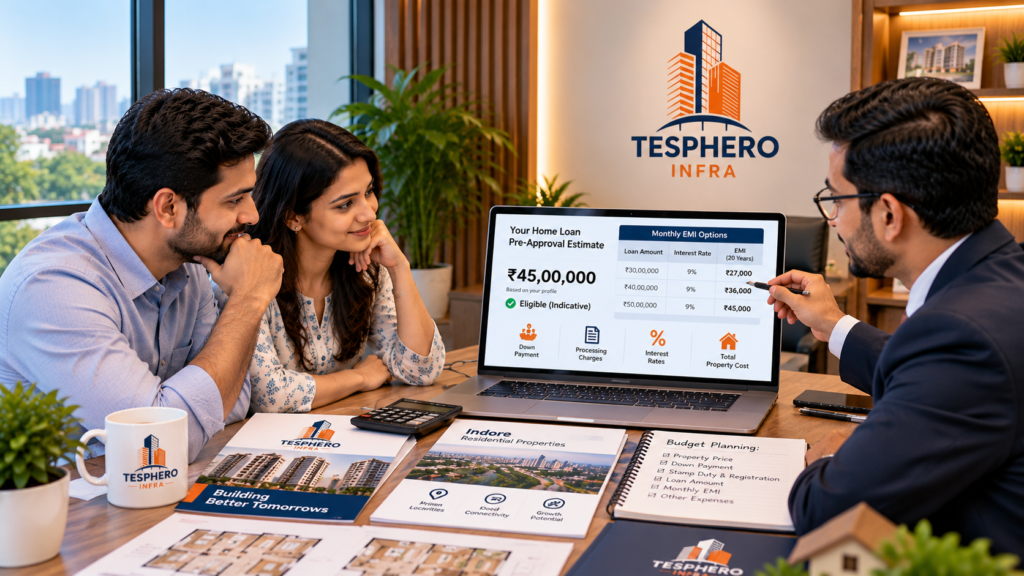
/ Tesphero Infra Most property buyers begin their search with just one question in mind — “What’s the price?” And honestly, there’s nothing wrong with that. Budget is important and should be one of the first things you consider. But this is exactly where many buyers go wrong — they end up making their final decision based almost entirely on the price tag, without looking at anything else. After years of closely observing the real estate market and talking to hundreds of buyers, one thing has become very clear. People who chase only the cheapest deal often end up paying much more later on — whether it’s through legal hassles, a poor location choice, low resale value, or hidden development charges that show up after possession. Buying a property is a major long-term financial decision. That’s why looking beyond price is not just advisable—it’s necessary. The Cheapest Property Is Not Always the Best Value Imagine finding a property that costs ₹4 lakh less than similar options in the market. Sounds like a great deal, right? For many buyers, that price difference is enough to make a quick decision. After all, saving money at the time of purchase feels like a smart move. However, in real estate, the lowest-priced property isn’t always the best investment. A property may look attractive because of its affordability. Still, factors such as location, legal clearances, infrastructure development, connectivity, and future growth potential often have a much bigger impact on its long-term value. Before you make your next property investment, it’s worth understanding why price should be just one part of the decision-making process—not the entire decision itself. Real-World Example from Indore Indore’s real estate market has grown rapidly over the years, with several developing locations attracting both homebuyers and investors. At Tesphero Infra, we regularly meet buyers who start their search based on budget alone. However, after evaluating location, accessibility, and future growth potential, they often realise that the best property investment is not always the cheapest one. In many cases, buyers who initially focus only on budget change their perspective after visiting multiple locations and understanding future development plans. This simple step often helps them make a more confident property investment decision. In a growing city like Indore, choosing a property based on overall value rather than just price can make a significant difference in future appreciation and resale opportunities. Understanding Growth Corridors in Indore As Indore continues to expand, areas benefiting from improved infrastructure, better connectivity, and planned development are attracting increasing buyer interest. Evaluating future growth potential can help maximise long-term property value. Location Still Remains the King of Real Estate Real estate trends have changed over the years, but one principle has remained constant: location drives value. A beautiful property in the wrong location often struggles to generate appreciation. On the other hand, even a simple property in a promising location can become a valuable asset over time. When evaluating a location, don’t focus only on what exists today. Try to understand what the area could look like five or ten years from now. Property buyers can also benefit from professional Property Investment Guidance before making a final decision. Ask questions like: Many of today’s premium locations were once considered “too far from the city.” Buyers who recognised future potential early were the ones who benefited the most. Documentation Is More Important Than the Property Brochure One of the biggest mistakes first-time buyers make is getting emotionally attached to a property before verifying its documents. Before making any commitment, verify ownership records, title documents, land-use approvals, local authority permissions, and RERA registration where applicable. Don’t Buy a Property Without Understanding Your Goal Not every buyer enters the market for the same reason. Some people want a plot to build their dream home. Others are looking for long-term capital appreciation. Some buyers want rental income, while others are planning for future business use. Before exploring options, define your objective clearly. Future Development Can Change Everything Future infrastructure projects, commercial developments, and improved connectivity can significantly influence property appreciation over time. Compare Before You Commit Comparing multiple properties helps you understand market pricing, location advantages, construction quality, and future potential more accurately. Quick Property Evaluation Checklist Factor Why It Matters Location Better appreciation potential Documentation Legal security Connectivity Higher buyer demand Infrastructure Future growth opportunities Resale Value Better returns on investment The Hidden Costs Most Buyers Forget Registration charges, stamp duty, maintenance expenses, utility connections, and taxes should always be considered. Talk to People Who Already Live There A short conversation with residents can reveal valuable information about water availability, traffic, safety, and future developments. Why Professional Guidance Still Matters An experienced real estate consultant can help evaluate opportunities, identify risks, verify documentation, and match properties with specific investment goals. Expert Insight from Tesphero Infra Through our experience in the Indore real estate market, we have seen that buyers who focus only on price often overlook factors that influence long-term property value. In our experience, buyers who take time to compare locations, verify documentation, and understand future development plans are usually more satisfied with their investment decisions in the long run. Final Thoughts A smart buyer looks at the complete picture—location, legal clarity, future growth potential, infrastructure development, ownership costs, and long-term objectives. Looking for the Right Property in Indore? Whether you’re looking for a residential plot in Indore, a commercial property, or a long-term real estate investment opportunity, Tesphero Infra can help you make an informed decision, backed by local market knowledge and professional guidance. Looking for expert guidance on property investment in Indore? Contact Tesphero Infra today and explore residential and commercial property opportunities that match your goals and budget. Frequently Asked Questions Should I buy a cheaper plot or a better location? A better location generally offers stronger long-term value. How important is document verification before buying a property? Document verification is essential because legal issues can affect ownership rights and resale value. What factors influence property appreciation? Location,

Scroll to Top